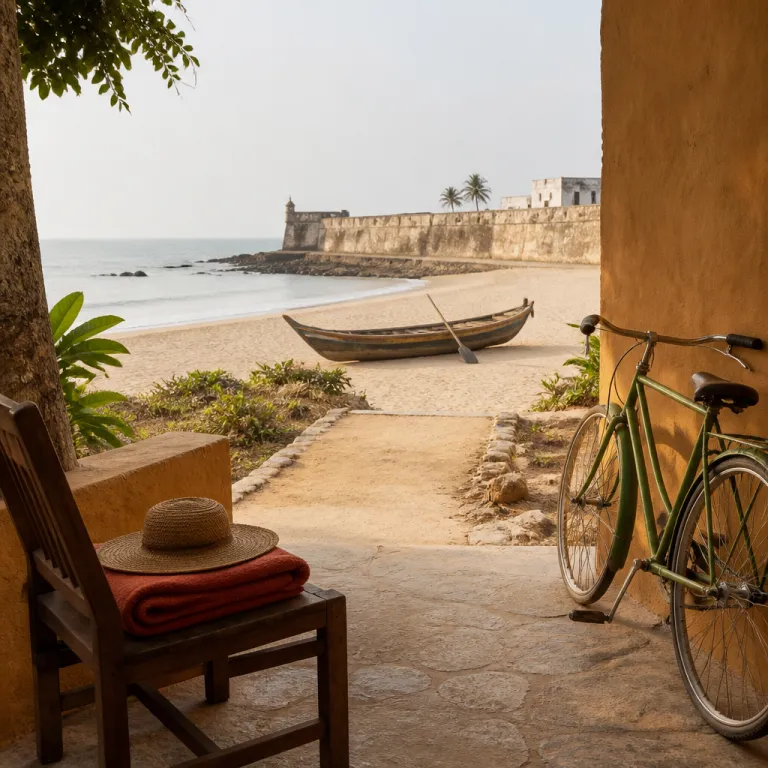
Slow pace: art, markets and gentle days around Accra
Luxury travel in Ghana rewards travellers who slow down and let the country set the rhythm. Between hotel breakfasts and sunset cocktails, people who prefer unhurried days will find that Accra’s markets, galleries and coastal walks offer the best low energy experiences. This is where a thoughtful travel guide becomes as valuable as a plush suite, especially for families planning what to do in Ghana between hotel stays.
Start with a guided walk through Makola Market in central Accra, arranged through your hotel concierge or trusted local tour guides. You move through narrow alleys stacked with fabric, spices and household goods, while your guide offers practical travel advice on how to avoid pickpockets in crowded areas and how to handle cash. One Accra-based guide explains, “Keep small notes handy and wear a cross-body bag you can see at all times.” This is essential travel for understanding how local people live, and it gives context to every luxury stay in Ghana.
Gallery hopping in Osu and Labone suits families who want culture without too much heat or risk. Many international visitors pair a morning at the Nubuke Foundation or Artists Alliance Gallery with a long lunch, asking hotel staff for advice on where children will feel welcome. When you travel Ghana with kids, you will appreciate air conditioned spaces, clean drinking water and easy access to health care if anyone overheats, as well as clear directions back to your hotel.
Slow days also work well for travellers concerned about travel health or specific requirements such as age, mobility or sexual orientation. Ghana is generally welcoming, but people who want to avoid awkward moments should ask their hotel for a discreet travel guide who understands both local customs and international expectations. Respecting local culture while staying true to yourself is part of smart Ghana travel, especially in more conservative rural areas beyond Accra where norms can feel stricter.
Families often underestimate how tiring the average 30 °C temperature can feel, especially during the humid rainy season. According to recent summaries from the Ghana Meteorological Agency (consulted in 2024), many coastal and southern areas experience annual mean temperatures close to this figure. Build in hotel pool time, naps and early dinners, and use the evening for gentle entertainment such as live highlife music in a hotel bar or curated performances at cultural centers. Cultural performers bring the country’s history to life, and they turn a quiet night into a memory without adding any health safety risk for younger children.
When hunger strikes, plan one evening for a neighbourhood food exploration in Accra. Use this detailed neighbourhood by neighbourhood dining guide for Accra to match restaurants with your hotel location and your family’s energy level. You will avoid long transfers across the city, keep contact with traffic to a minimum and still experience the best of Ghana’s coastal capital. Add simple photo notes or alt text to your own trip images, such as “family-friendly restaurant in Osu, Accra”, to help you remember where you ate.
Medium pace: coastal adventures and forest walks for curious families
When you are ready to raise the tempo, Ghana’s coast and forests deliver medium pace adventures that still work for children and multi generational groups. These experiences suit travellers who want to move, but who also value comfort, health safety and reliable access to health care. With the right travel insurance and a realistic view of risk, you can enjoy the country’s most iconic landscapes between hotel breakfasts and dinner service without feeling rushed.
Busua Beach on the western coast is the classic starting point for surfing lessons in Ghana. Several local schools offer boards and instruction, and many premium hotels in the area will arrange sessions directly with vetted operators so travellers avoid unregulated providers. For families, a private lesson with soft boards and clear travel health advice about sun exposure and hydration is worth the extra cost, especially if you are new to tropical beach conditions.
Kakum National Park, near Cape Coast, is home to the famous canopy walk, a series of seven suspension bridges hanging about 40 m above the forest floor. Children usually love the gentle sway, but parents should be aware that the bridges can become slippery during the rainy season, especially from June to August. Ask your hotel or travel guide to check current travel advisories about trail conditions, and avoid visiting during heavy storms when the high risk of falls increases and visibility drops.
Volta River boat trips offer another medium pace option that balances relaxation and light adventure. From Akosombo or Ada Foah, you can charter a small boat through your hotel concierge, ensuring life jackets, shade and drinking water are included in the rate. For a deeper look at this region, read this piece on luxury stays where the Volta River meets the sea, which explains how premium lodges integrate river excursions into their nightly packages and how they manage safety briefings.
Cycling tours through Jamestown’s colonial architecture in Accra suit older children and teens who can handle traffic and heat. Choose operators who provide helmets, reflective vests and clear guidance on how to avoid contact with busy junctions and high risk areas. One local cycling guide advises starting just after sunrise to reduce heat stress and to “ride in a tight line so cars can see you clearly.” Your hotel can usually recommend local guides who understand both Ghana travel logistics and international expectations around health safety and liability.
Medium pace days are also ideal moments to think about travel health in a practical way. Before you travel Ghana, most international health authorities recommend vaccines against yellow fever and typhoid fever, especially if you plan to visit rural areas or cross land borders toward Burkina Faso. As of 2024, Ghana Health Service and many foreign ministries still list yellow fever vaccination as a requirement for entry from most countries. Hotels in Accra and other major cities can often point you toward clinics that handle travel health requirements, but you should complete most vaccinations in your home country.
High pace: mountains, paragliding and serious adrenaline
Some travellers arrive in Ghana with energy to burn and a taste for altitude. For them, the country offers high pace activities that sit comfortably between luxury breakfasts and late night room service. These experiences demand more preparation, but they also deliver the kind of stories that people tell long after checkout and share when recommending what to do in Ghana to adventurous friends.
Paragliding at Kwahu, especially during the Easter festival period, is Ghana’s most famous adrenaline experience. Operators launch from the Kwahu plateau, offering sweeping views over the Eastern Region’s hills and valleys, and flights can be arranged through high end hotels that partner with licensed pilots. Because this is a high risk activity by nature, you should confirm that your travel insurance covers adventure sports and that your travel guide explains all safety procedures before you run off the edge.
Mount Afadjato, at about 885 m, is often described as Ghana’s highest point and makes a rewarding half day hike for fit families with older children. Trails can be steep and slippery, especially in the rainy season when water runs down the path and visibility shifts quickly. A local guide from the nearby village will help you avoid the most eroded sections, manage contact with insects and keep an eye on any health safety issues such as heat exhaustion or dehydration.
On the coast, horseback riding along the beach at Kokrobite or near Ada offers a different kind of high pace thrill. Luxury hotels sometimes include short rides in their activity menus, while independent stables can be booked through local tour operators who understand Ghana travel conditions. Always ask about the horses’ health, the use of helmets and how the operator manages risk in areas with vehicles or strong waves, and consider adding a short safety briefing before children mount.
Families planning a high energy itinerary should read this detailed guide on planning a refined Ghana vacation for luxury minded travellers. It explains how to balance intense days with restorative hotel time, and why essential travel planning includes honest conversations about fitness levels, health care access and emergency contact procedures. When you travel Ghana with children, you will want clear advice on when to push and when to pause, and how to alternate high pace days with slower cultural experiences.
High pace activities also intersect with border regions and more remote parts of the country. If your plans include overland routes toward Burkina Faso, the Upper West or the Upper East, you should pay close attention to current travel advisories from your government. Some areas may be classified as high risk due to security concerns, and essential travel only guidance should be respected, especially when travelling with children or older relatives who may need quick access to health care.
Health, safety and family logistics between excursions
Luxury travel in Ghana is not only about where you sleep, but how safely and comfortably you move between experiences. Families who plan well around health, water, and transport will enjoy the country’s warmth without unnecessary stress. A good travel guide treats health safety as part of the itinerary, not an afterthought, and hotels that specialise in family travel often provide written checklists at check-in.
Before you arrive, consult official travel advisories from your home country about Ghana. These advisories usually outline vaccination requirements such as yellow fever certificates, recommended shots like typhoid fever and malaria prevention strategies for rural areas. They also explain any essential travel warnings for border regions near Burkina Faso, the Upper West or the Upper East, which can influence where people choose to book hotels. Check the publication date on these advisories so you know you are working with information that is current for 2024 or later.
Once in Ghana, prioritise safe drinking water and food hygiene, especially for children. High end hotels in Accra and other major cities typically provide filtered water, but when you travel outside urban areas you should carry sealed bottles and avoid ice from unknown sources. This simple advice reduces the risk of stomach issues and keeps your family ready for early morning excursions, whether that means a canopy walk, a market tour or a river cruise.
Health care quality varies across the country, with the best facilities concentrated in Accra, Kumasi and a few regional capitals. For essential travel in rural areas, you should assume that serious issues will require evacuation back to a major city, which makes comprehensive travel insurance non negotiable. When you check in, ask the front desk for their emergency contact protocol and the nearest clinic they trust, and store those details in both your phone and a small paper notebook.
Parents sometimes worry about child abduction when travelling internationally, and Ghana is no exception. While the country is generally safe and incidents involving tourists are rare, you should still follow common sense measures such as agreeing meeting points, avoiding isolated areas at night and keeping younger children within arm’s reach in crowded markets. Hotels with strong security and clear visitor policies offer extra reassurance for families, and many can arrange trusted babysitters for evenings in the hotel restaurant.
Questions around sexual orientation and safety also arise for some travellers. Ghana remains socially conservative, and people in same sex relationships may prefer to avoid public displays of affection, especially in rural areas or smaller towns. High end hotels that cater to international guests are usually discreet and professional, and a trusted local guide can offer nuanced travel advice on where you will feel most comfortable and how to navigate conversations if questions arise.
Working with hotels, guides and local operators
The most memorable Ghana travel experiences usually come from a quiet alliance between your hotel concierge, local tour guides and specialised operators. When these actors communicate well, people enjoy seamless days that flow from breakfast to activity to dinner without friction. This is where a luxury booking platform such as myghanastay.com proves its value by connecting travellers with vetted providers.
Start by choosing hotels that treat experiences as part of their core offering, not an afterthought. Many premium properties in Accra, the Eastern Region and along the coast maintain relationships with vetted guides who understand both Ghanaian culture and international expectations. These local tour guides are experts in Ghanaian culture and history, and they are available through local agencies that often work directly with hotels to design slow, medium and high pace days.
When you plan your days, decide which activities you want the hotel to arrange and which you will book independently. High risk experiences such as paragliding, long hikes or remote boat trips are usually best handled through the hotel, which can verify safety standards, equipment quality and health safety protocols. Lower risk activities like gallery visits or short market walks can be organised on your own, using a trusted travel guide or clear maps, and many visitors appreciate the freedom of exploring Accra’s neighbourhoods at their own pace.
Communication matters as much as logistics. Before confirming any excursion, ask direct questions about water availability, shade, restroom access and how long children will need to walk. You should also clarify whether the operator understands any specific health requirements in your group, such as allergies, mobility issues or anxiety around heights, and whether they can adjust the route if someone tires earlier than expected.
Payment and paperwork deserve attention too. Some operators in rural areas may not accept cards, so your hotel can advise on how much cash to carry without creating unnecessary risk. For cross border trips toward Burkina Faso or remote regions in the Upper West and Upper East, you will need to confirm entry requirements, security conditions and whether your travel insurance remains valid, as policies sometimes exclude certain high risk zones.
Throughout your stay, keep a written list of key contact numbers, including your hotel, main guide, insurance provider and local emergency services. Store digital copies of passports, yellow fever certificates and travel insurance documents in secure cloud storage. These simple steps turn essential travel admin into a quiet safety net that lets you focus on the best parts of Ghana, from coastal sunsets to forest walks.
Seasonality, regions and choosing the right pace for your family
Energy levels shift with the weather, and in Ghana the climate shapes what feels realistic between hotel breakfasts. The country’s average daily temperature sits around 30 °C, which can feel intense for people arriving from cooler climates. Matching your activity pace to the season and region is one of the smartest forms of travel advice, especially when planning what to do in Ghana with children or older relatives.
The long dry season, roughly from November to March, is often considered the best time for Ghana travel. Roads are generally in better condition, humidity is lower and high pace activities such as hiking Mount Afadjato or cycling in Jamestown feel more manageable. This is also when international arrivals peak, so you will want to book both hotels and guides well in advance to secure preferred room types and departure times.
The rainy season brings its own character, especially in the forested East Region and along the Volta. Trails in Kakum and rural areas can become muddy, and the canopy walk may be slippery, which raises the risk for younger children or nervous adults. On the other hand, waterfalls swell, landscapes turn lush and birdwatching at Shai Hills Reserve or along the Volta River often improves, making this a rewarding period for nature-focused itineraries.
Northern Ghana, including the Upper West and Upper East, tends to be hotter and drier, with more pronounced temperature swings. These areas reward travellers who are comfortable with essential travel conditions, simpler accommodation and longer drives between health care facilities. Families who prioritise comfort may prefer to base themselves in Accra, the Eastern Region or coastal hubs, using day trips and short overnights to sample more remote regions without committing to long stays.
Whatever the season, align your daily pace with your family’s natural rhythm. Plan slow mornings for younger children, medium pace afternoons when energy peaks and perhaps one high pace day every few days for older teens or active adults. Remember that you can always adjust on the ground, using your hotel and local guides as real time advisors rather than rigid schedulers who lock you into fixed departure times.
Throughout your planning, keep an eye on official travel advisories and health safety updates from reputable sources. They will flag any new high risk areas, changes in entry requirements or outbreaks that might affect travel health, such as yellow fever or typhoid fever clusters. With that information, and with honest conversations inside your group, you will find the Ghana that matches your pace rather than the other way around, whether you prefer art galleries, canopy walks or mountain trails.
Key figures for planning luxury activities in Ghana
- Ghana receives around 1 500 000 international visitors per year, according to the Ghana Tourism Authority, which means premium hotels and top guides can book out quickly during peak months. Recent tourism reports published by the Authority and consulted in 2024 confirm that international arrivals have hovered around this level in recent years. For current statistics, see the tourism data on the official Ghana Tourism Authority website.
- The average daily temperature of about 30 °C, reported by the Ghana Meteorological Agency, makes hydration and sun protection essential for all outdoor activities, especially for children. Updated climate summaries available in the Agency’s 2023–2024 publications show similar mean values for many southern and coastal zones.
- Morning cultural tours, afternoon nature excursions and evening entertainment form a typical daily pattern for curated itineraries, helping families balance energy levels and heat exposure. Sample itineraries published by the Ghana Tourism Authority reflect this three-part structure and are frequently updated to highlight new attractions.
- Eco tourism, cultural immersion and adventure travel are the three main activity themes promoted by national and local stakeholders, giving travellers clear frameworks for choosing slow, medium or high pace days. Policy documents from the Ministry of Tourism, Arts and Culture and the Ghana Tourism Authority outline these priority themes and guide investment decisions.
Frequently asked questions about what to do in Ghana between hotel stays
What are popular activities in Ghana for families staying in luxury hotels ?
Popular activities in Ghana include cultural tours, nature excursions, and beach relaxation. Families often combine guided walks in Makola Market, gallery visits in Accra, canopy walks in Kakum National Park and gentle days on Busua or Ada beaches. Many high end hotels can arrange these experiences directly with vetted local operators, making it easier to match excursions to children’s ages and energy levels.
Is Ghana safe for tourists who want to explore beyond their hotel ?
Is Ghana safe for tourists ? Yes, with standard precautions. Most visitors move comfortably between hotels, markets and major sights, especially when using trusted guides and hotel recommended drivers. You should still follow official travel advisories, avoid clearly high risk areas and keep basic health safety habits, such as watching your belongings and staying aware of your surroundings at night.
What is the best time to visit Ghana for outdoor activities ?
What is the best time to visit Ghana ? November to March for favorable weather. During these months, humidity is lower, roads are more reliable and high pace activities such as hiking and cycling feel more manageable. The rainy season can still be rewarding, especially for birdwatching and waterfalls, but requires more flexibility and a willingness to adjust plans if storms roll in.
How should I prepare for health and vaccination requirements before travelling ?
Before you travel Ghana, check your government’s travel health guidance and any Ghana specific requirements. Most international travellers need proof of yellow fever vaccination and are advised to consider typhoid fever and hepatitis shots, along with malaria prevention. Completing these steps before departure, and carrying documentation with your travel insurance papers, keeps border formalities and hotel check in smooth and reduces last minute stress.
Do I need a guide for activities, or can I explore independently ?
You can mix both approaches depending on your comfort level and the activity. Guided tours are recommended for high risk or remote experiences such as paragliding, long hikes or rural excursions, where local knowledge and health safety planning matter. In Accra and other major cities, confident travellers can explore galleries, restaurants and some markets independently, using hotel advice as a practical travel guide and relying on digital maps for navigation.
Sources: Ghana Tourism Authority (tourism statistics and visitor trends, reports consulted 2024), Ghana Meteorological Agency (climate and temperature data, 2023–2024 summaries), Ghana Health Service (public health and vaccination guidance, accessed 2024).