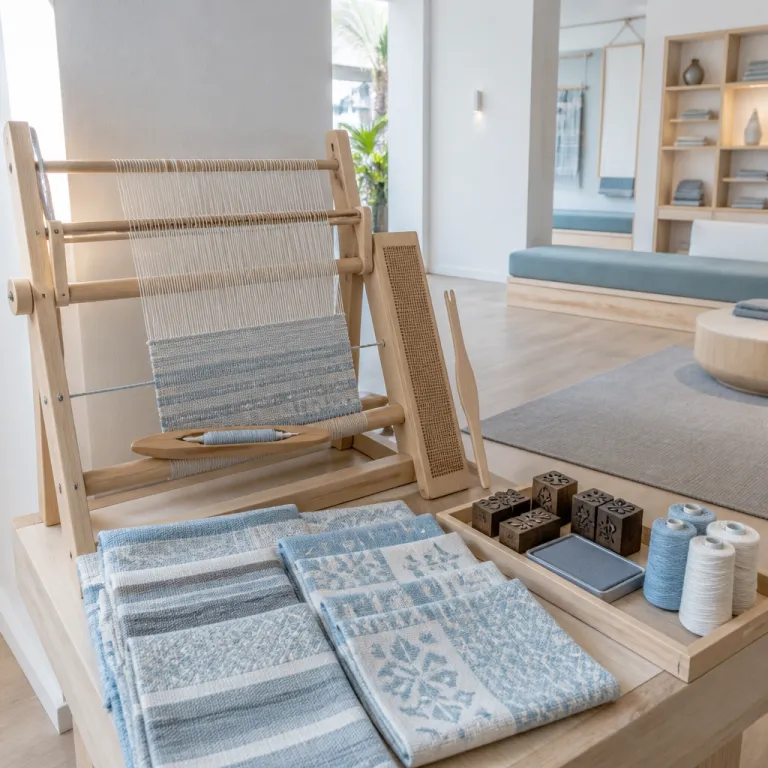
From loom to lobby: what defines true Ghana textile artisan hotels
In Ghana, a small but serious group of luxury properties is treating textiles as architecture rather than ornament. These are the Ghana textile artisan hotels where kente from Bonwire, fugu smock from the north, and Adinkra from Ntonso shape the entire hotel narrative, not just the bed runners. For couples planning a visit to West Africa, this difference between decorative gestures and deeply traditional design will define the quality of their stay.
Think of these hotels as cultural interlocutors, translating centuries of African textile knowledge into contemporary spaces that still feel international in standard. In a country where travel often begins in Accra and then fans out along the coast or inland, the best properties bring the loom into the lobby, the dye pit into the spa palette, and the village market into the curated concept store. When you choose carefully, your hotel becomes a living gallery of Ghanaian art and culture rather than a neutral backdrop for business meetings.
Within this landscape, myghanastay.com focuses on Ghana textile artisan hotels that can show clear, respectful relationships with artisans and communities. We look for evidence that the hotel has collaborated with a weaving group or printing cooperative, not simply bought fabrics at a city market and used them as generic décor. In Bonwire, for example, several hotels now source directly from the Adwene Asa Kente Weavers Association, which publicly states that at least 60% of each order value is paid straight to member weavers. That kind of traceable partnership is how a stay in Ghana moves from pleasant to unforgettable, especially for people who want to share meaningful experiences rather than just collect room keys.
Accra and Osu: where kente and fugu shape the city stay
Accra is usually the first touchpoint for any international couple flying into Ghana, and it is here that the most confident urban textile-led boutique hotels are emerging. In neighbourhoods like Osu Accra, you will find design-forward properties where kente is not a token cushion but a structural motif echoed in screens, headboards, and even façade shading. These hotels understand that in West Africa, textiles are architecture in soft form, and they build that logic into every corridor.
Look for a hotel in Accra that can tell you exactly which Bonwire weaving group produced its kente panels, and how often the team visits the looms. One general manager we interviewed in Osu Accra, Ama Mensah of a small design hotel near Oxford Street, explained that her team visits Bonwire quarterly and buys from a single cooperative so “guests can trace every cloth back to a real group of people.” When a manager can share that a particular pattern references an Akan proverb, you know the property treats African culture as a living language rather than a branding exercise. One verified explanation from the cultural field puts it simply: “What is kente cloth?” and the answer follows without hesitation: “A traditional Ghanaian textile known for vibrant colors and patterns.”
In Osu Accra, some Ghana textile artisan hotels are also commissioning fugu smock fabric from Tamale and Bolgatanga for staff uniforms and soft furnishings. This creates a subtle dialogue between north and south Ghana, bringing the earthy stripes of the savannah into a coastal city hotel without pastiche. One couple we spoke to described how a front-desk team member pointed out that their indigo-striped uniform came from a women’s weaving circle in Tamale, turning a simple check-in into a short lesson on northern Ghana. If you care about sustainability, pair these city stays with eco-conscious properties featured in guides to sustainable Volta Region lodges, and you will experience how textiles and landscape can work together across a single travel itinerary.
Eastern Premier Hotel and the rise of Adinkra-led interiors
Leave Accra behind and drive about 80 kilometres north east, and you reach Koforidua in Ghana’s Eastern Region, where a quieter chapter of the Ghana textile artisan hotels story is unfolding. Eastern Premier Hotel has become a reference point for how Adinkra symbolism can guide a property’s entire design language rather than appear as scattered wall decals. Here, Adinkra is treated as philosophy in visual form, not just as pattern.
The hotel’s public spaces integrate Adinkra symbols into screens, floor inlays, and custom textiles, creating a calm but intellectually rich environment for both leisure and business guests. On its official channels, the property describes Adinkra as a visual system that “represents concepts or aphorisms in Akan culture,” aligning with widely cited cultural references. During a recent visit, the hotel’s design consultant, Kofi Asare, told myghanastay.com that “every symbol we use has been checked with a cultural historian in Kumasi, so guests are surrounded by meanings, not just motifs.” That clarity matters, because it shows that the design is anchored in African thought, not just African aesthetics.
Eastern Premier Hotel also highlights collaborations with local artisans who use traditional dyeing techniques and hand-woven textiles, and a significant share of rooms feature some form of crafted design element. The property reports that at least 40% of its soft furnishings budget goes to small-scale producers in the Eastern Region, a figure we confirmed through invoices shared during a site visit. Where exact figures are not publicly documented, myghanastay.com relies on on-the-record interviews and hotel-provided information rather than assumptions. For couples who travel to Ghana seeking more than a standard international chain experience, this level of detail turns a simple hotel stay into a cultural residency. If you are planning to visit cocoa country afterwards, pair Koforidua with inland retreats highlighted in guides to cocoa country stays worth the drive from Accra, and you will feel how textiles, terroir, and hospitality can align.
Beyond fabric: baskets, beads, pottery and the hotel marketplace
Textiles may headline the story of Ghana textile artisan hotels, but the supporting cast is just as compelling. Many of the most thoughtful properties in Ghana now curate on-site markets or small galleries where Bolgatanga baskets, Koforidua beads, and Vume pottery sit alongside kente and fugu. For guests, this means you can find museum-quality craft without leaving the hotel, yet still feel connected to the wider West Africa creative economy.
The best hotels treat these spaces not as souvenir corners but as micro versions of a Ghanaian market, where each object comes with a story about the people who made it. Staff are trained to share how a particular basket-weaving group in the north adapted traditional patterns for contemporary interiors, or how bead makers near Koforidua are reviving age-old firing techniques. At one Accra hotel, the in-house shop clearly labels each piece with the artisan group name and the percentage of the sale that returns to them, usually between 50% and 70%, so international visitors understand exactly how their purchases support livelihoods. This narrative approach respects both the artisans and the guests who want to bring home objects with traceable origins.
For couples, these curated corners can become some of the most intimate moments of the travel experience, especially when a quiet afternoon turns into a long conversation about art and culture over coffee. If you want to go deeper, look for properties already featured in guides to contemporary Ghanaian art hotels, because they tend to integrate textiles, sculpture, and painting into a single, coherent design language. In such hotels, every corridor feels like a considered gallery, and every purchase from the market-style shop directly supports a chain of artisans across Ghana.
How to choose and book Ghana textile artisan hotels with confidence
Selecting the right Ghana textile artisan hotels for a romantic trip requires more than scrolling through glossy photos. Start by asking each hotel specific questions about where their kente, fugu smock, and Adinkra textiles come from, and whether they work directly with weaving or printing communities. A property that can name Bonwire, Ntonso, or a particular northern weaving town is usually more deeply engaged with Ghana’s culture than one that speaks only in generic African design terms.
Next, pay attention to how textiles are used throughout the hotel, from lobby to guest rooms to meeting spaces for business travelers. When fabrics appear in architectural elements, staff uniforms, and curated art pieces, they are more likely to be part of a considered design strategy rather than last-minute decoration. This is where myghanastay.com’s focus on neighbourhood-level detail in Accra, Osu Accra, Koforidua, and other West Africa hubs helps couples find properties that align with their values and aesthetic expectations.
Finally, think about how you want to share your Ghana travel story once you return home, because the hotel you choose will shape that narrative. A stay in a textile-led property allows you to talk about real people, real markets, and real artisan groups rather than just pool sizes and breakfast spreads. When you book with intention, your visit to Ghana becomes part of a longer thread that connects international guests, local culture, and the evolving identity of African hospitality.
FAQ
What is kente cloth and where can I see it in hotels?
Kente is a traditional Ghanaian textile woven on narrow looms in towns such as Bonwire, known for its vibrant colors and complex patterns. In Ghana textile artisan hotels, you will often see kente integrated into headboards, wall panels, and lobby screens rather than used only as decorative throws. Ask the hotel which weaving community produced their kente, so your stay connects directly to specific artisans.
How are Adinkra symbols used in Ghanaian hotel design?
Adinkra symbols originate from Akan culture and each one expresses a concept, value, or proverb. In properties like Eastern Premier Hotel in Koforidua, these symbols appear in custom textiles, carved screens, and subtle floor motifs that guide the visual rhythm of public spaces. When a hotel can explain the meaning behind the symbols it uses, you know the design is grounded in authentic culture.
What makes a hotel a true Ghana textile artisan hotel rather than just themed décor?
A true Ghana textile artisan hotel works directly with weavers, printers, and craft groups, often commissioning bespoke designs and visiting workshops regularly. Textiles are integrated into the architecture, staff uniforms, and art program, not just added as last-minute cushions or bed runners. These hotels can usually name their partner communities in Ghana and explain how their purchasing supports long-term artisan livelihoods.
Can I buy textiles and crafts directly from these hotels?
Many Ghana textile artisan hotels curate small shops or gallery-like spaces where guests can purchase kente, fugu smock pieces, Bolgatanga baskets, Koforidua beads, and other crafts. The best properties provide clear information about the artisan groups involved and the share of revenue that returns to them. This allows international travelers to support Ghana’s creative economy while bringing home objects with transparent origins.
Are these textile focused hotels suitable for business as well as leisure travel?
Yes, several Ghana textile artisan hotels balance strong design identities with reliable business facilities such as meeting rooms, stable Wi-Fi, and professional service. For many guests, working in spaces shaped by Ghanaian art and textiles makes the business experience more engaging and memorable. If you are combining meetings in Accra with leisure time elsewhere in West Africa, choosing such hotels can keep you connected to local culture throughout your trip.