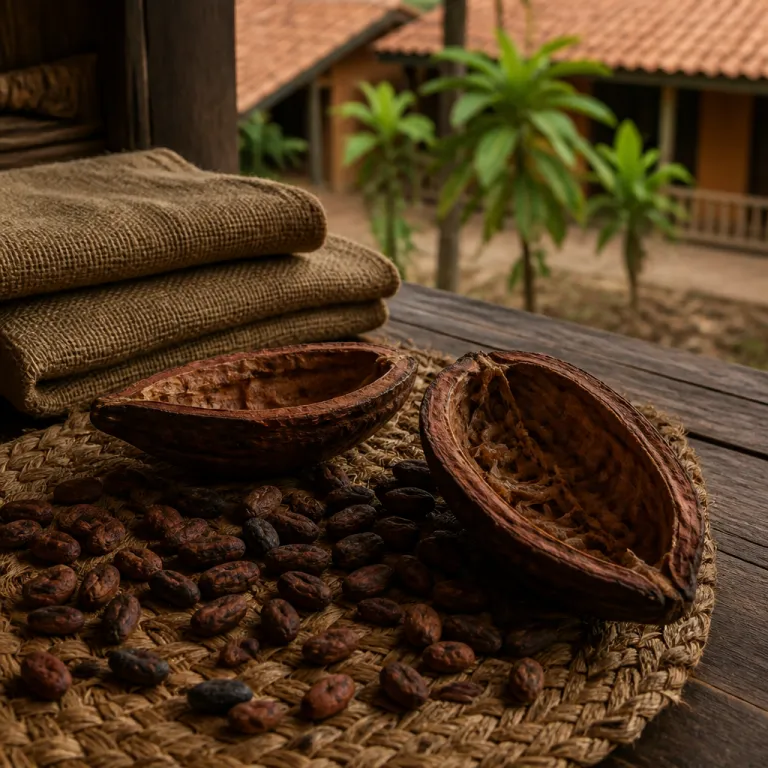
Cocoa belt escapes: why a cocoa farm stay in Ghana belongs on your family itinerary
Leave Accra’s traffic behind and within four hours you reach a different Ghana, where cocoa trees shade red earth and children race between farms. In this cocoa belt the country’s farming community has shaped landscapes, food traditions and family rhythms around the crop that made Ghana cocoa a global reference, yet luxury travelers rarely pause to learn how deeply farmers’ work underpins every chocolate bar. A well planned cocoa farm stay in Ghana lets your family visit cocoa plantations, meet at least one cocoa farmer in person and understand how this second largest producer quietly anchors the cocoa market.
The belt stretches across the Eastern Region, Ashanti and the Western Region, each region cocoa zone offering a distinct mood for premium travelers. Eastern Region farms sit closer to Accra, so parents with younger children can reach a working cocoa farm in under three hours and still have time to walk among trees before dusk, while Ashanti’s rolling hills pair easily with a cultural detour to Kumasi’s royal courts. Farther west, the Western Region rewards those who work a little harder on the drive with lusher cocoa farms, thicker forest and a slower pace that suits multi night stays.
For families used to polished city suites, the idea of staying near cocoa farms can sound rustic at first. In reality a new generation of Ghanaian hosts, often in partnership with a local organization or tour operator, is quietly elevating the experience with thoughtful rooms, reliable hot water and food that celebrates the region’s crop rather than hiding it. These are not urban resorts, but they are premium by intent, with attentive farmers and staff who help children learn how cocoa farming sustains the community and why Ghana remains the largest cocoa origin after its western neighbor.
Eastern Region and Ashanti: family friendly gateways to cocoa country
If you are planning your first cocoa farm stay in Ghana with children, start in the Eastern Region where distances are gentle and logistics are forgiving. Around towns such as Suhum and Nkawkaw, smallholder cocoa farmers open their farms to visitors, guiding families along narrow paths between trees while explaining how they manage shade, soil and crop rotation to keep the farm productive. These visits are usually arranged through a local organization or the Ghana Tourism Authority, which promotes cocoa tourism initiatives as a way to support rural economies and strengthen each farming community.
Many Eastern Region cocoa farms do not yet offer on site suites, but nearby guesthouses and premium lodges provide comfortable bases with air conditioning, good showers and reliable food for younger travelers. You can book a hotel with a pool in Koforidua, then drive out by day to visit cocoa farms, watch a cocoa farmer split pods and let your children learn how sticky white pulp becomes export ready beans for the cocoa market. This region cocoa landscape also pairs well with Volta eco stays ; if sustainability matters to your family, read our guide to eco lodges of the Volta that balance sustainability and service before finalizing your route.
Ashanti offers a different rhythm, where cocoa farming sits alongside royal heritage and craft markets. Base yourself in a premium Kumasi hotel with a family suite, then arrange a day trip that combines a visit cocoa experience on a nearby cocoa farm with time at Manhyia Palace or the Kejetia market, so children see how urban Ghana and rural farms connect. Our in depth guide to weaving the Ashanti court into a Kumasi stay, available on this dedicated Ashanti travel planning page, helps you time festivals and hotel bookings without sacrificing your cocoa country detour.
Western Region retreats: where cocoa trees meet coastal luxury
Drive west from Accra and the air thickens, the forest deepens and cocoa trees begin to crowd the roadside, signaling your entry into the Western Region. This is where a cocoa farm stay in Ghana becomes a true escape, because you can pair mornings on a working cocoa farm with afternoons on quiet Atlantic beaches and evenings in premium coastal lodges. The region cocoa story is powerful here, as many of Ghana’s highest yielding farms sit within an easy drive of resorts near Busua, Axim and Takoradi.
Several family friendly hotels along this coast now collaborate with nearby cocoa farmers to offer curated visit cocoa excursions that feel more like private safaris than group tours. You might leave your suite after breakfast, reach a cocoa farm within an hour and spend the morning walking through farms with a farmer who explains how Ghana cocoa moves from pod to drying racks, then on to the cocoa market as part of the country’s second largest export sector. Children can help with simple work such as gathering fallen pods, while parents learn how climate, soil and shade trees influence crop quality and why this region remains central to Ghana’s status as one of the largest cocoa producers.
Back at the lodge, chefs increasingly integrate cocoa into food in ways that go beyond dessert, from cocoa nib crusted fish to savory sauces that reference local palm nut stews. Some properties offer cocoa infused spa rituals, using Ghana cocoa butter in massages that connect wellness to the surrounding farming community and its trees, which quietly support biodiversity and livelihoods. When you choose these hotels through a trusted booking platform, you support a project that keeps more tourism revenue in the local community while giving your family a richer sense of how cocoa farming shapes this part of the country.
From pod to palate: bean to bar experiences that justify the drive
The most compelling reason to plan a cocoa farm stay in Ghana is the chance to follow the bean to bar journey in a single, carefully structured day. On a typical itinerary you arrive at a cocoa farm just after sunrise, walk between trees as a cocoa farmer demonstrates how to identify ripe pods, then help with the first stage of work by opening pods and scooping wet beans into fermentation boxes. Later you move to drying racks where farmers explain how sun, timing and careful turning affect the crop that will eventually feed the global cocoa market.
Many farms now collaborate with small chocolate makers to extend this learning into hands on workshops that children remember long after the trip. After your visit cocoa tour you might drive to a nearby facility where Ghana cocoa beans are roasted, winnowed and ground into liquor, then tempered into bars that highlight the character of a specific region cocoa origin such as Eastern Region or Western Region. These bean to bar sessions often include tastings that compare cocoa from different farms across the country, helping families understand why Ghana remains the second largest producer while also appreciating the diversity within its farming community.
Along the way guides answer practical questions about cocoa farming economics, from how cocoa farmers organize into cooperatives to how a local organization might support a sustainability project that improves yields or protects shade trees. One frequently cited explanation comes from a standard definition used in Ghana’s cocoa tourism training materials : “What is cocoa tourism? Experiential travel focusing on cocoa cultivation and processing.” When you see how much patient work sits behind each bar, you gain a better sense of why supporting responsible farms and choosing single origin Ghana cocoa products can make a tangible difference to rural communities.
Wellness, food and where to book: making cocoa country work for premium families
Luxury in cocoa country looks different from a city high rise, but it can be just as rewarding for a premium family that values connection and space. Instead of marble lobbies you get wide verandas facing cocoa trees, ceiling fans, crisp cotton sheets and staff who remember your children’s names, while the real indulgence lies in unhurried time with farmers and the surrounding community. When you book a cocoa farm stay in Ghana through a specialist platform such as myghanastay.com, you can filter for properties that balance comfort with proximity to working farms and that partner with a credible local organization or the Ghana Tourism Authority.
Food is where these stays often surprise even seasoned travelers, because chefs are beginning to treat Ghana cocoa as a savory ingredient rather than just a sweet. Expect grilled chicken with cocoa nib rubs, garden vegetables tossed with cocoa husk vinaigrettes and breakfast porridges topped with roasted nibs, all sourced from nearby farms that also grow plantain, cassava and other staples for the country’s food system. This biocentric approach aligns with wider efforts by groups such as the Ghana Food Movement and the FAO, which frame cocoa farming as part of a broader project that links biodiversity, culture, health and livelihoods in each farming community.
When comparing options, look for hotels that clearly explain how they work with cocoa farmers, whether through direct sourcing, shared training or co designed visitor programs. Properties that limit group sizes on visit cocoa tours, pay farmers fairly for their time and reinvest a portion of revenue into farm level improvements tend to offer a better experience for both guests and hosts. As agri tourism grows, these region cocoa stays in Eastern Region, Ashanti and the Western Region are likely to become some of Ghana’s most sought after hidden getaways, especially for families who want their children to learn how a single crop can shape an entire country.
FAQ
What is cocoa tourism in Ghana ?
Cocoa tourism in Ghana refers to experiential travel that focuses on cocoa cultivation, processing and the lives of cocoa farmers in the country’s main cocoa belt. Visitors typically tour at least one cocoa farm, walk among trees with a farmer, see fermentation boxes and drying racks, then taste products made from Ghana cocoa. It is designed to support the local farming community while helping travelers learn how this crop underpins Ghana’s position as the second largest cocoa producer.
When is the best time to visit cocoa farms with children ?
The most engaging time for a family cocoa farm stay in Ghana is during the main harvest season, which usually runs from October to March in the Eastern Region, Ashanti and the Western Region. During these months cocoa farmers are actively harvesting pods, so children can watch more of the work, from cutting pods off trees to loading beans for the cocoa market. Off season visits are still possible, but there may be less visible activity on farms and fewer chances to participate in hands on tasks.
Are there comfortable hotels near cocoa farms ?
Yes, several comfortable hotels and lodges sit within easy driving distance of major cocoa farming areas, especially in the Eastern Region and the Western Region. Some farms now offer on site lodging, while others rely on nearby premium properties that provide family suites, reliable hot water and good food, then arrange visit cocoa excursions by day. When booking, look for hotels that clearly describe their partnerships with local farmers and that position themselves as gateways to cocoa farms rather than generic countryside stays.
How should we prepare for a cocoa farm visit ?
Wear comfortable clothing, closed shoes and a hat, because paths between trees can be uneven and the sun strong, especially in the Western Region. It is wise to book tours in advance through a trusted organization or your hotel, so the cocoa farmer hosting you can plan the workday around your visit and ensure someone is available to guide your family. Bring water, insect repellent and a small tip for the farming community, as many farms rely on tourism as a supplementary income alongside the cocoa crop.
Can cocoa tourism meaningfully benefit local communities ?
Responsible cocoa tourism can provide an important secondary income stream for cocoa farmers, especially when cocoa market prices are volatile. When visitors pay fair fees for guided tours, buy Ghana cocoa products directly from farms and choose hotels that share revenue with local partners, more money stays in the community and supports better farming practices. Over time this can help fund small projects such as shade tree planting, improved fermentation facilities or school support, strengthening both the region cocoa landscape and the families who care for it.