The rhythm of the cocoa harvest and why timing your stay matters
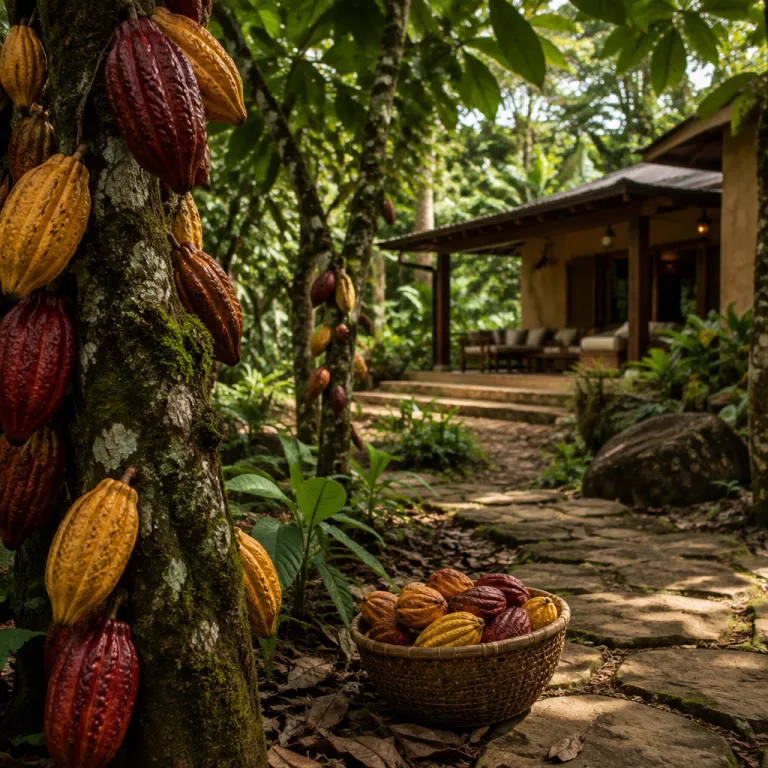
Ghana’s main cocoa harvest shapes life across the forested interior. From the first October rains to pods splitting on the trees between roughly October and January, the rhythm of cocoa farming quietly sets the pace for villages, markets and the most rewarding cocoa harvest stay Ghana can offer. Plan your trip around this window and you see not only trees heavy with fruit but also how people in Ghana align work, worship and rest with the crop.
In the cocoa belt, farmers harvest twice, with a smaller mid-crop from about May to July, yet the main season is when cocoa trees are at their most dramatic and when cocoa belt lodges can arrange meaningful time on nearby farms. The air feels thicker in the cocoa forests, the land underfoot is soft with fallen leaves and shade trees filter a gentler light that photographers love. During this period, cocoa farmers are busiest, but the right hosts help families welcome guests without turning the farm into a stage.
For travelers, this is when a cocoa harvest stay in Ghana becomes more than a tasting flight. You hear how cocoa farming has helped increase school fees and money for roofing sheets, and how the cocoa market still dictates when money farmers receive finally arrives. You also see how rainfall patterns better or worse than expected can change the mood in a village overnight, reminding you that every bar of Ghana cocoa or cocoa Ghana chocolate begins with risk on real farms.
What an agri luxury cocoa stay actually involves
A serious cocoa harvest stay Ghana experience starts before dawn, not at the spa. You wake under a ceiling fan in a private villa or forest suite, step onto a shaded veranda and listen as people in Ghana move towards the farms with cutlasses and baskets. The best properties sit close enough to cocoa trees and cocoa plants that you can walk to the farm yet far enough that the forests still feel intact and calm.
On a guided walk, you learn how farmers plant cocoa crops under taller shade trees to protect young cocoa plants from harsh climate swings. You watch cocoa farmers tap pods, twist them from the trees and crack them open so the wet cocoa beans slide into waiting bowls, a moment that helps city travelers understand the work behind every bag of cocoa beans exported from Ghana. Ghana Cocoa Board data notes that cocoa Ghana exports account for roughly a fifth of the country’s export earnings, and many hosts now plant trees along stream banks to restore degraded land, projects that help farmers adapt as rainfall patterns shift and cocoa forests retreat.
Back at the lodge, chefs turn fresh cocoa beans into tasting menus that respect both terroir and tradition. One course might pair single origin Ghana cocoa with plantain, while another uses cocoa farming by products like nibs in savoury sauces that quietly celebrate cocoa Ghana heritage. If you care about sustainable travel, look for properties aligned with the kind of eco lodges described in this guide to sustainable stays without sacrificing service, where every stay helps farmers and protects the surrounding farm landscape.
Folding the cocoa belt into a wider Ghana itinerary
Most travelers start in Accra, then angle inland once the city’s energy has sunk in. From the capital, the drive into the cocoa belt takes four to six hours depending on which cluster of farms and forests you choose, and the best itineraries treat the cocoa harvest stay Ghana as a two or three night immersion rather than a rushed day trip. That way you can balance time among cocoa trees with evenings back at a pool, a bar and a kitchen that understands provenance.
One smart route pairs a few nights in Accra’s design forward properties, like those featured in the guide to hotels where kente and adinkra set the design language, with a loop through the cocoa belt and then out to the coast. After walking farms where farmers plant new cocoa crops and shade trees to restore soil, you can follow the near Accra shoreline using this weekend by the water guide as a template. The contrast between dense cocoa forests and open beaches shows how varied Ghana’s land really is.
Logistics are straightforward if you plan around the harvest and the roads. Many luxury lodges arrange private transfers, which helps people Ghana bound for the interior avoid negotiating at crowded stations and lets farmers work without constant interruptions from lost visitors. Ask your hotel to connect you with vetted cocoa farms where cocoa farming practices help farmers grow better crops and where a portion of your money helps fund plant trees projects that directly benefit small farmers.
Where luxury and agriculture meet without turning the farm into a stage
The most rewarding cocoa harvest stay Ghana experiences are quiet, not choreographed. You are a guest on working farms, walking between cocoa trees while farmers work at their own pace and explain only when they have time, which keeps the dignity of the farm intact. Luxury here is not marble but the chance to sit under shade trees with a mug of hot cocoa while people from Ghana talk frankly about climate, crops and the cocoa market.
Thoughtful properties build only on a small portion of their land, leaving cocoa forests and mixed farms around them to function as they always have. They help farmers by paying fair access fees, buying cocoa beans directly where regulations allow and supporting side projects that restore streams, plant trees and protect remaining forests. When these partnerships are honest, they helped increase both biodiversity and the money farmers can rely on between harvests; World Bank assessments of rural Ghana note that diversified farm income and climate smart cocoa programs are key to keeping cocoa Ghana production resilient.
For solo travelers, the sweet spot is a lodge that offers private comfort yet keeps you close to real farming life. Look for hosts who explain how cocoa farming is changing as rainfall better or worse affects yields, how small farmers diversify crops to spread risk and how new cocoa plants are selected to handle a warmer climate. In these places, every stay helps farmers plant new cocoa trees, keeps cocoa crops viable on ancestral land and turns your room night into quiet support for the people and farms that keep cocoa Ghana on the world stage.
FAQ
When is the best time to plan a cocoa harvest stay in Ghana ?
The main cocoa harvest in Ghana runs through the last months of the year, when cocoa trees are heavy with pods and farms are busiest. Planning your cocoa harvest stay Ghana during this period lets you see active cocoa farming, from pod cutting to fermenting cocoa beans in wooden boxes. Outside the main harvest, you still find work on farms, but the pace is slower and some activities shift towards pruning, weeding and preparing land for new cocoa plants.
How close do luxury properties get you to real cocoa farms ?
Most high end lodges in the cocoa belt sit within a short drive or walk of working farms and cocoa forests. The better properties have long standing relationships with cocoa farmers and small farmers, so visits are arranged respectfully and your presence helps farmers rather than disrupts their work. Expect to spend several hours on a farm, moving between trees, learning how farmers plant shade trees and seeing how money farmers earn from cocoa crops supports families.
Can a cocoa focused stay be combined with Ghana’s coast or Volta Region ?
Yes, a cocoa harvest stay Ghana fits neatly between time in Accra and a few days by the water or in the Volta highlands. Many travelers spend two nights in the city, two or three nights near the cocoa belt and then continue to coastal towns or eco focused lodges that also help restore forests and plant trees. This kind of loop shows how different parts of Ghana’s land and climate interact, from humid cocoa forests to breezy lagoons.
How does my stay support cocoa farmers and local communities ?
When you choose properties that work directly with cocoa farmers, a portion of your room rate or excursion fee usually goes back to the farms. This money helps farmers grow better cocoa crops, invest in new cocoa plants, improve housing and fund projects that restore soil and protect streams. Ask specific questions about how your stay helps farmers, whether through paying for farm access, supporting plant trees initiatives or backing training that helped increase yields for small farmers.
What should I expect from single origin cocoa tastings during harvest ?
Single origin tastings during the main harvest highlight how cocoa Ghana from different districts can taste distinct, even when grown under similar climate conditions. You might sample Ghana cocoa from older cocoa trees on one farm alongside beans from younger trees on another, noticing how shade trees, soil and rainfall better distribution change flavour. The focus is on provenance and the people behind the beans, not just branding, so tastings often include conversations about cocoa farming, the cocoa market and how money farmers receive flows through local economies.
Sources
Ghana Cocoa Board (COCOBOD) ; International Cocoa Organization ; World Bank reports on Ghanaian agriculture.