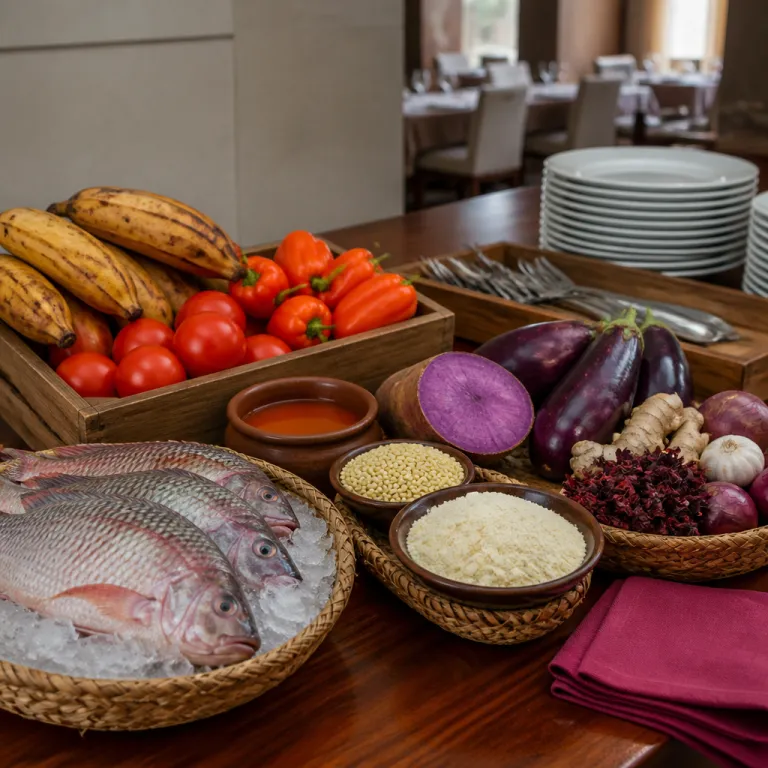
Why a Ghana food experience for the family starts at the market
For a meaningful Ghana food experience family trip, begin at the market at first light. A morning in a local market in Accra is the single best classroom for children, because colours, aromas and voices turn abstract lessons about Ghanaian food into something they can touch and taste. Keep the first visit short and focused, then return on another day when your family feels more confident navigating the narrow Ghanaian street alleys between stalls.
Head to Makola or Kaneshie market with a trusted guide, or join curated food tours that many luxury hotels in Accra can arrange through local chefs and nutritionists. Parents act as quiet narrators while vendors become teachers, explaining why cocoyam leaves sit beside smoked fish, why sacks of rice are stacked next to millet, and how these ingredients shape everyday Ghanaian dishes. The educational initiative is simple but powerful ; teaching children about Ghanaian food culture through market visits, cooking classes and family meals has been shown to promote healthy eating habits and cultural knowledge.
Ask stallholders to name staples of Ghanaian cuisine such as jollof rice, banku, kenkey, waakye and fufu, then have your children repeat the words like a new language. Many vendors in markets across Ghana respond warmly to a cheerful akwaaba from young visitors, and they often offer tiny food tasting portions of fruit or roasted groundnuts that feel like treasure. This kind of food experience builds confidence, and it also prepares children for later food tours, restaurant menus and hotel dinners where Ghanaian food appears in more polished forms.
From hotel breakfast tables to family friendly Ghanaian dishes
The Ghana food experience family journey continues back at your hotel, where breakfast becomes a daily seminar in Ghanaian cuisine. In Accra, the best luxury properties now balance international comfort with authentic Ghanaian options, and the most thoughtful restaurant teams rotate local dishes so families can try something new each day. If you want to understand a property’s culinary soul, study its morning spread, then compare it with the detailed lens offered in this guide to the Ghana breakfast table and what hotel mornings reveal about a property’s character.
Look for jollof rice served alongside omelettes, light soup offered with soft fufu, and waakye presented with gari, boiled eggs and shito for adventurous older children. When hotels in Ghana take food education seriously, they label Ghanaian dishes clearly, explain ingredients and quietly guide parents through vegetarian vegan options or milder versions for younger palates. This is where a strong kitchen team shines, because they can adapt Ghanaian food without losing the authentic Ghanaian flavour that makes the experience memorable.
Ask the restaurant staff to help your family build a tasting plate that mixes familiar items with one new Ghanaian dish each morning. Over several days, children move from plain rice and toast to sampling Ghanaian street food inspired sides such as kelewele, then to full plates of banku with grilled fish that would be highly recommended by locals. In the best restaurants Ghana wide, this gentle progression turns hotel buffets into curated food tours, and it reassures parents that safety, hygiene and nutrition are being handled by professionals.
Age appropriate cooking classes, chocolate sessions and hotel kitchens
Once your children are comfortable eating Ghanaian dishes, step behind the scenes into the kitchen for a more immersive Ghana food experience family activity. Many premium hotels in Accra and beyond now collaborate with local chefs, schools and community centres to offer age appropriate cooking classes that fit neatly between a morning market visit and an evening restaurant reservation. Participation rates are high because supervised cooking sessions give children a sense of ownership over the food they later share at family restaurants.
Look for classes that start with simple tasks such as washing vegetables, grinding spices or shaping plantain for Ghanaian street food style snacks, before moving to more complex recipes like light soup or jollof rice. Hotels that understand family needs will separate younger and older children, keep knives small, and integrate clear explanations about nutrition that echo what nutritionists emphasise in Ghana’s health focused diets. Chocolate making workshops using Ghanaian cocoa are another highlight, turning a familiar treat into a story about farms, markets and the wider tours that connect rural Ghana to restaurants Accra guests love.
Ask whether your hotel can arrange a private food tour that ends in the property’s own kitchen, where the chef helps your family plate the dishes Ghana is famous for. These hybrid food tours and cooking classes are often highly recommended by parents, because they combine safety, comfort and authentic Ghanaian instruction in one controlled environment. Over time, children remember not just the taste of Ghanaian cuisine, but the feel of stirring a pot, the sound of sizzling oil and the pride of serving grandparents a meal they helped create.
Teaching food vocabulary and navigating dietary needs with confidence
A thoughtful Ghana food experience family itinerary includes language lessons, because vocabulary turns anonymous food into stories children can retell. Start with the essentials ; banku, kenkey, kelewele, waakye, fufu, jollof rice and light soup, then add words like chop bar, market and akwaaba so young travellers can decode menus and street signs. Repeat these terms at breakfast, during a food tour or while walking through a Ghanaian street lined with small restaurants Ghana families frequent.
Parents act as translators between hotel menus and local food culture, explaining that Ghanaian food is often shared from one large bowl, and that fingers are traditionally used for many dishes. For children with allergies or specific diets, work closely with the hotel kitchen in Accra or other cities to map safe options, then carry a written card explaining restrictions in clear English for use in family restaurants and markets. Many high end restaurants Accra wide now offer vegetarian vegan interpretations of classic Ghanaian dishes, substituting meat with mushrooms or beans while keeping the same spice profiles.
When exploring street food, choose busy stalls with high turnover, freshly cooked dishes and visible handwashing facilities. Luxury concierges will often point you to Ghanaian street vendors they trust, and some even organise guided food tasting walks that focus on safe, authentic Ghanaian snacks for children. This careful approach allows families to enjoy Ghanaian cuisine in both restaurant and street settings, without sacrificing health, comfort or the sense of culinary adventure that makes these tours unforgettable.
Tourist facing food experiences versus the tables locals love
Not every Ghana food experience family outing needs white tablecloths and a view of the Atlantic. Some of the best memories come from modest family restaurants tucked behind petrol stations in Accra, where the only décor is a football match on television and the smell of grilled tilapia drifting in from the kitchen. The key is knowing when a food experience is staged for tourists and when it reflects how Ghanaian families actually eat on an ordinary day.
Hotel concierges are useful, but cross check their suggestions with local parents, school teachers or market vendors who can point you to their own favourite restaurants Ghana wide. You will notice that tourist facing venues often tone down spices, present Ghanaian dishes on fusion menus and lean heavily on international rice plates, while neighbourhood spots serve unapologetically authentic Ghanaian food with generous portions and louder rooms. For design conscious travellers, this deeper layer of local knowledge pairs well with properties where the aesthetic language is rooted in kente and adinkra, as explored in this guide to hotels where Ghanaian textiles set the design language.
Seek out places where you see multi generational groups sharing bowls of fufu in light soup, children queuing for street food skewers and office workers grabbing quick plates of waakye at lunchtime. These are the living classrooms where your family can observe how food tours, daily routines and celebrations intersect in Ghanaian street life. Over the course of your stay, alternating between polished hotel restaurant dinners and these lived in spaces will give your children a layered understanding of dishes Ghana is proud of, from cocoyam leaves stews to smoky jollof rice that lingers in memory long after the trip ends.
FAQ
What are the most important Ghanaian dishes for children to try first ?
Start with milder Ghanaian dishes such as jollof rice, waakye and grilled chicken, then gradually introduce banku, kenkey and light soup. These foods showcase core elements of Ghanaian cuisine without overwhelming young palates. Pair each new dish with something familiar so children feel secure while exploring Ghana food culture.
How can I safely introduce Ghanaian street food to my family ?
Choose busy vendors with high turnover, freshly cooked items and visible hygiene practices. Ask your hotel concierge in Accra or other cities to recommend trusted Ghanaian street stalls or guided food tours that focus on families. Begin with simple snacks like kelewele or grilled corn before moving to more complex street food plates.
Are vegetarian vegan options easy to find in Ghanaian restaurants ?
Many upscale restaurants Accra wide and several family restaurants in larger cities now offer vegetarian vegan versions of classic Ghanaian dishes. Look for bean stews, vegetable light soup, rice dishes and meals built around cocoyam leaves or garden eggs. Always speak directly with the kitchen to confirm ingredients and cooking methods match your dietary needs.
Why is a market visit recommended for a Ghana food experience family trip ?
Markets in Ghana provide direct contact with local ingredients, Ghanaian street life and the people who grow or trade the food. Children see how rice, spices, vegetables and fish come together long before they reach a restaurant plate. This context makes later cooking classes, hotel dinners and food tours more meaningful and memorable.
How can I involve my children in cooking while staying at a hotel ?
Ask your hotel about supervised cooking classes, chocolate workshops or short kitchen visits designed for families. Many properties in Ghana partner with local chefs and schools to offer structured sessions where children can safely help prepare simple Ghanaian dishes. These activities strengthen family bonds and reinforce what children learn in markets and restaurants.