Why ghana hotel breakfast local food is the new luxury benchmark
The quiet test of any luxury stay in Ghana begins at breakfast. A thoughtfully designed Ghana hotel breakfast built around local food tells you more about a property’s soul than any marble lobby or high thread count linen. When the first tray arrives and you see waakye beside fresh pastries, you know the hotel is speaking Ghanaian first and international second.
Across Accra, Kumasi and Cape Coast, the most interesting hotel dining rooms now treat the morning buffet as a culinary manifesto. They place traditional dishes at the centre, then frame them with carefully chosen international options that respect, rather than erase, local taste. This shift in breakfast philosophy is reshaping how discerning travellers judge both food and service quality during their stay.
Ghanaian hoteliers understand that guests want more than anonymous proteins and generic cereals. They are curating breakfast tables featuring rice based classics, grilled specialties and fresh salads that reflect the markets just outside the gate. When you see a chef explaining the difference between street waakye and the hotel version, you are witnessing hospitality that takes culture as seriously as comfort.
From waakye to hausa koko: reading a menu like a local
Walk into a serious Accra hotel at 8:00 and head straight to the hot line. If you find waakye, that mix of rice and beans with spaghetti, shito and egg, the property is signalling confidence in Ghanaian breakfast culture. When a Ghana hotel breakfast featuring local dishes gives waakye equal billing with omelettes, it tells you the chef trusts guests to embrace bold flavours.
Hausa koko, the spiced millet porridge from northern Ghana, is another quiet indicator. When it appears beside koose, those deep fried bean fritters, you are seeing regional dishes translated into a premium hotel setting without losing their street edge. The best hotels keep the texture loose, the spice high and the accompaniments simple, letting the food speak clearly of its origins.
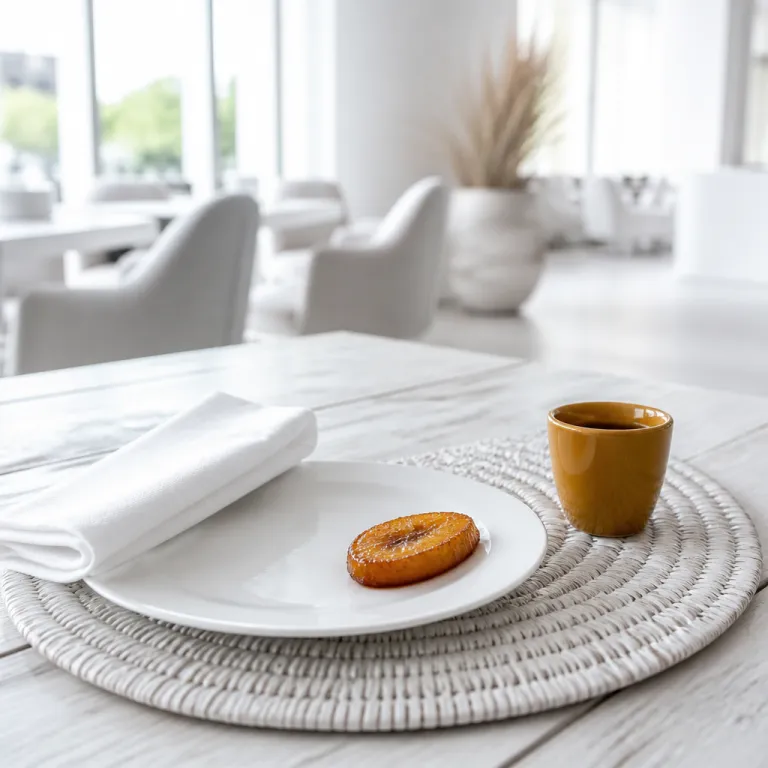
Then there is kelewele, the spiced fried plantain that can make or break a plate. In properties that understand Ghanaian dining, kelewele appears at breakfast as a side for eggs, as a topping for fresh salads or even as a sweet counterpoint to savoury soups. When you taste kelewele that feels as alive as anything from a night street stall, you know the kitchen respects both tradition and technique.
Case study: La Palm Royal Beach and the rise of heritage focused mornings
On Accra’s coastline, La Palm Royal Beach Hotel has become a reference point for culturally grounded hospitality. The property is known for promoting Ghanaian cuisine through a heritage lunch, yet the same philosophy now shapes its Ghana hotel breakfast service built around local food traditions. Guests find traditional dishes laid out with the same care as imported cheeses, framed by décor that quietly nods to coastal history.
The hotel works with local farmers and artisans to keep ingredients fresh and seasonal. That means rice for waakye cooked the same day, grilled fish that reflects the morning catch and fruit platters featuring pineapple, papaya and mango that often outshine anything served at dinner. A typical weekend buffet might list waakye with assorted proteins, hausa koko with koose, assorted breads, omelette station, fresh juices and cut to order fruit, giving guests a clear sense of both range and pricing value.
Staff are encouraged to talk about meal origins, turning a simple breakfast into a short cultural briefing. One training module even uses the line, “Try local breakfast dishes like waakye,” as a starting point for guest conversations. As one senior food and beverage manager at the property notes in internal training material, “When a guest asks ‘What is waakye?’ and we answer ‘A traditional Ghanaian breakfast dish made of rice and beans,’ we are not just defining a meal, we are inviting them into the culture.” In that moment, storytelling is treated as seriously as plate presentation.
Regional plates, real economies: why sourcing matters as much as taste
Beyond Accra, regional breakfast differences give each location its own rhythm. In Kumasi, some premium properties now serve lighter fufu variations in the morning, while along the Cape Coast you may find kenkey with grilled fish sharing space with more conventional hotel dishes. Up in Tamale, travellers increasingly encounter TZ with ayoyo soup, a combination that brings northern soups and proteins into the luxury dining conversation.
For owners, this move toward regional Ghanaian dishes is not just cultural positioning. Hotels that invest in local sourcing for breakfast reduce import costs while gaining a menu that feels both high value and genuinely rooted in place. When a Ghana hotel breakfast menu built around local food relies on nearby farms for vegetables, rice and fruit, the supply chain becomes shorter, fresher and more resilient.
The business case aligns neatly with guest expectations around authenticity. A 2023 survey by the Ghana Tourism Authority on domestic and regional travellers reported that more than 80% of respondents considered breakfast “very important” in choosing a hotel, and a clear majority preferred at least one traditional Ghanaian option on the buffet. While individual property results vary, some Accra hotels report that introducing fresh salads, regional soups and carefully handled proteins in the morning has supported higher average room rates, because travellers feel they are paying for access to the country, not just the room.
How to choose a hotel where breakfast reflects Ghana, not a catalogue
When you scroll through myghanastay.com looking for your next stay, read past the pool shots. Focus on how each property talks about its Ghana hotel breakfast offer and local food, because that is where marketing language usually drops and real priorities appear. A hotel that lists Ghanaian dishes by name and highlights a Ghanaian chef is rarely an afterthought property.
Look for menus featuring both traditional and international dishes, rather than a token local corner beside a dominant continental spread. Ask whether the restaurant uses live stations for waakye, hausa koko or grilled items, and whether fresh fruit is cut to order rather than arriving from central storage. Properties that reference partnerships with local farmers or cultural organisations, like those described in our feature on diaspora led hospitality shifts at how diaspora homecomings are rewriting luxury hospitality, tend to treat breakfast as a strategic asset.
On the ground, pay attention to the rhythm of the dining room across the day. If breakfast feels alive with Ghanaian food, from street inspired rice dishes to bright salads and soups, lunch and dinner usually follow the same philosophy. When you find a location where the morning buffet feels like a curated tour of Ghana rather than a generic airport lounge, you have found a property whose soul is firmly anchored in its own soil.
FAQ
What is waakye and why does it matter at breakfast ?
Waakye is a traditional Ghanaian breakfast dish made of rice and beans, often served with spaghetti, shito and egg. When a hotel serves waakye prominently, it signals respect for local food culture and confidence that guests will engage with authentic flavours. Its presence usually indicates a broader commitment to Ghanaian dishes across the menu.
How can I experience Ghanaian culture through hotel food ?
Stay at properties that highlight traditional dishes in their breakfast descriptions and encourage staff to explain meal origins. Ask specifically for hausa koko, koose, kelewele and regional soups, then talk with servers about how these recipes connect to local communities. In practice, the more you seek out traditional meals and engage with local cuisine, the richer your cultural experience becomes.
Why do some luxury hotels focus on local breakfast options ?
Hotels serve local dishes to showcase culture and provide authentic experiences that international chains often overlook. Sourcing ingredients from nearby farmers reduces import costs while keeping food fresh and seasonal. This approach strengthens the local economy and gives guests a richer sense of place.
Are international dishes still available in Ghanaian hotels ?
Most premium properties balance Ghanaian plates with familiar international dishes such as eggs, pastries and cereals. The difference in better hotels is that local recipes sit at the centre of the buffet rather than at the margins. Guests can move easily between both styles of food during the same breakfast.
How do I know if a hotel takes breakfast seriously before booking ?
Read the restaurant section of the listing carefully and look for specific Ghanaian dishes rather than vague references to “continental options”. Properties that mention partnerships with local producers, live cooking stations and regional recipes usually treat breakfast as a core part of the experience. You can also email the hotel directly and ask for a sample breakfast menu to see how deeply local food is integrated.