Ghana’s new sustainability mandate and what it means for luxury stays
From Accra’s business hotel corridors to Volta’s eco lodges, sustainable hotels in Ghana are moving from niche to non negotiable. In 2023, Ghana’s Ministry of Tourism, Arts and Culture and the Ghana Tourism Authority introduced updated licensing guidelines under the National Tourism Development Plan, requiring hotels to meet defined environmental standards as a condition for operating.1 The framework makes clear that eco friendly accommodation, community based tourism and basic green building practices will now shape who keeps a tourism license. For hotel guests planning premium trips, this shift turns sustainability from a marketing flourish into a core filter when choosing hotels in Ghana.
The mandate requires every hotel and hospitality operator to document sustainable practices around energy sources, water conservation and waste, instead of relying on vague environmental promises. Under the revised tourism enterprise registration rules, properties must submit evidence of measures such as energy efficient lighting, water saving fixtures and basic waste segregation when renewing their license with the Ghana Tourism Authority.1 Authorities expect properties in Ghana to show measurable progress on environmental sustainability, from renewable energy installations to conservation water strategies that protect local supplies for communities. In practice, this means a sustainable hotel in Accra or Cape Coast must treat sustainability as a long term business investment, not a seasonal campaign aimed only at international guests.
Regulators also link sustainability to the broader tourism industry model, aligning Ghana tourism growth with climate change resilience and local economic benefits. IMANI Africa’s 2022 tourism sector assessment notes that “environmental sustainability and climate resilience are now competitiveness issues for Ghana’s tourism brands,” framing sustainability as central to how the african gateway competes and attracts higher value visitors.2 The report argues that owned hotel brands and international chains should be held to the same environmental standards to avoid a two tier market. For travelers comparing sustainable hotels across Ghana, the mandate quietly guarantees a minimum level of eco friendly performance, even as leading hotels race ahead of the baseline.
From eco marketing to measurable impact: where Ghana’s luxury leaders stand
On the ground, only a handful of hotels in Ghana currently operate well above the new sustainability baseline, but they offer a clear template. In Accra, Mövenpick Ambassador Hotel Accra has launched its Green Stay Initiative under the Accor Group’s Planet 21 and “ALL Heartist Fund” sustainability programmes, signalling how a city business hotel can integrate eco practices such as energy efficient systems, responsible water use and partnerships with environmental organizations.3 Accor reports that participating hotels target up to 30% reductions in energy use and water consumption per occupied room over several years through LED retrofits, smart controls and linen reuse policies.3 Out in Dodowa, Forest Hotel sits amid ancient woodland and presents itself as an eco conscious retreat, using solar lighting in selected areas and maintaining a protected green buffer around the property to limit encroachment on surrounding ecosystems while still delivering polished hospitality to discerning hotel guests.
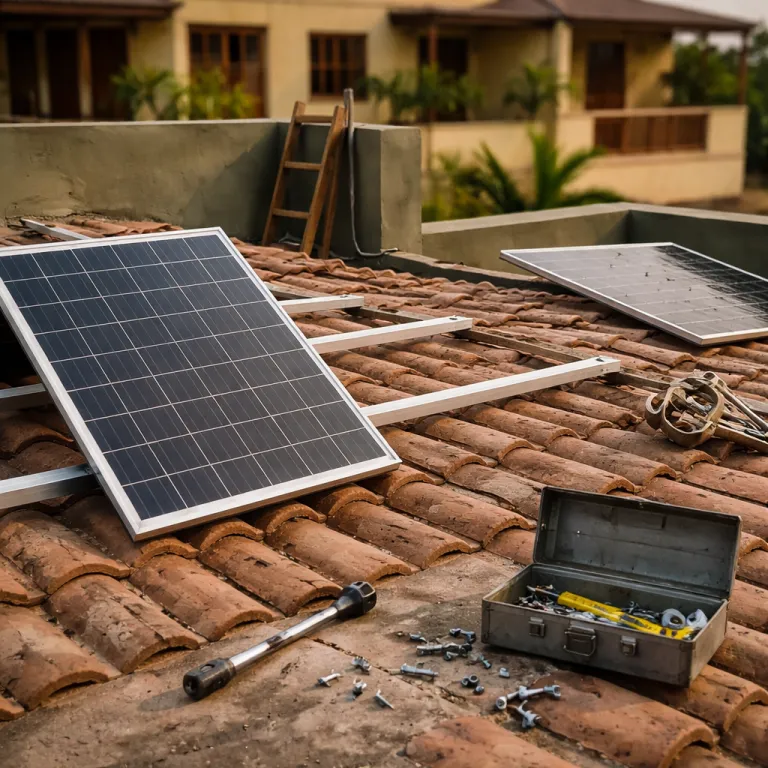
Along the Western Region coast, Escape3points Ecolodge and Ahanta Eco Lodge use recycled and natural materials, renewable energy and low impact construction to keep their footprint light on fragile shorelines. Escape3points reports that its electricity is supplied almost entirely by solar power, with backup systems used only during peak demand, while rainwater harvesting and composting toilets reduce pressure on local water and sanitation infrastructure.4 These eco properties embody the definition that “Hotels that implement eco-friendly practices to reduce environmental impact” and “To support environmental conservation and responsible tourism” are no longer optional ideals but operational standards. They also demonstrate how ghanaian owned and partly owned hotel ventures can keep tourism revenue in local business networks while aligning with international expectations on environmental sustainability.
In the Volta corridor and forest fringes, places such as Boko Boko and Pokhills Eco Garden operate as eco friendly retreats where conservation water systems, solar energy sources and community partnerships are built into the guest experience. Boko Boko highlights its use of solar power for lighting and hot water, while Pokhills Eco Garden emphasises tree planting and habitat restoration on previously degraded land.5 These sustainable hotels Ghana wide often guide guests through nearby villages, cocoa farms or mangrove projects, turning tourism into a tool for conservation rather than extraction. For a curated overview of luxury eco friendly options that already exceed the mandate, our editorial guide to luxury eco friendly hotels in Ghana highlights properties that treat sustainability as a defining feature of their hospitality philosophy.
How to book smarter: questions, community impact and the gaps that remain
For travelers using myghanastay.com to compare sustainable hotels Ghana wide, the key is to move from slogans to specifics. Ask each hotel how much of its energy comes from renewable energy sources, how it manages water in both rainy and dry seasons and which concrete practices support local employment and suppliers. A serious property will share data on water conservation systems, eco certifications, long term environmental goals and how its hospitality operations respond to climate change risks. Look for simple but telling metrics: percentage of electricity from solar or other renewables, litres of water saved per guest night through low flow fixtures, or the share of food spend directed to local farmers.
Community based tourism is another filter that matters, especially around Kakum, Cape Three Points and Volta lakeside villages where tourism can either empower or displace residents. Look for ghanaian owned or majority owned hotel projects that partner with local guides, artisans and farmers, and ask who designs the tours and who receives the tourism income. Genuine eco friendly operations will explain their conservation water measures, their approach to environmental sustainability and how their business model supports the future of Ghana tourism beyond seasonal peaks. When hotels publish impact reports or short case studies on community projects, they make it easier for guests to verify that claims about responsible tourism are backed by real outcomes.
There are still gaps the mandate cannot fix overnight, from uneven water access in remote areas to limited waste infrastructure that even the best hotels must navigate carefully. Before you confirm a booking, read the property’s privacy policy and terms privacy page with the same attention you give to spa menus, because transparent data handling signals a mature, accountable industry mindset. For a broader planning framework that balances luxury, sustainability and cultural depth, our editorial guide to planning a refined Ghana vacation offers practical routes, neighbourhood level tips and hotel recommendations that align responsible tourism with elevated comfort.