Accra’s quiet revolution in Ghanaian fine dining chefs
Accra is where Ghanaian fine dining chefs are quietly rewriting the rules. In a city better known for nightlife than tasting menus, a new generation of chef-led kitchens is building a technique-forward, ingredient-loyal movement that refuses to shout for cameras yet shapes every serious conversation about African food. For luxury travelers choosing a hotel in Ghana, understanding this culinary shift is now as important as comparing suites or spa menus.
The most interesting work in Ghanaian cuisine is not happening in television studios or on a global food network stage. It is unfolding in calm, disciplined restaurant brigades where each head chef treats jollof rice, smoked fish and cocoyam with the same respect a Paris kitchen reserves for truffles, and where the tasting menu reads like a love letter to West Africa rather than a generic “African fusion” cliché. These Ghanaian culinary leaders are not chasing viral recipes; they are building a new standard for what good food in the city can be.
Midunu, led by chef and culinary entrepreneur Selassie Atadika, is the clearest example of this quiet authority. Her New African Cuisine approach uses contemporary Ghanaian techniques and Afro fusion ideas to frame West African ingredients, yet every plate still tastes unmistakably of Ghana, from coastal crab to inland grains sourced along historic Gold Coast trade routes. In interviews, including a widely cited TEDx talk and profiles in regional food media, she has described her work as “a way to tell African stories through food,” and when you meet the chef in her dining room, the conversation is less about fame and more about how each food experience can support local farmers and protect traditional cooking knowledge.
Across town, Alora’s executive chef Mahmoud Ali runs a kitchen that feels almost like a laboratory. Here, Ghanaian recipes are deconstructed and rebuilt, but the flavors remain rooted in Jamestown smoke, Volta tomatoes and palm oil from small presses along the coastal Ghana corridor, and the result is a style of fine dining that feels both international and deeply Ghanaian. For couples booking a premium hotel near the waterfront, planning an evening here turns a simple night out into a structured culinary event.
What unites these top rooms is a refusal to dilute Ghanaian cuisine for outside palates. Menus may reference South Africa or Europe in technique, yet the cooking stays anchored in West Africa, with jollof, waakye and fufu treated as foundations for innovation rather than props for social media. This helps explain why some global lists have not fully caught up; many of the city’s top chefs are more focused on perfecting their craft than performing for cameras, and the work is better for it.
The chefs and hotel tables shaping Accra’s new culinary map
For travelers using a luxury hotel booking website focused on Ghana, chef profiles are no longer a nice to have; they are the lens through which you should read the entire property. A five-star address in the city that cannot articulate its relationship with Ghanaian cuisine, from breakfast jollof rice to late-night bar snacks, is simply not keeping pace with what Accra’s fine dining restaurants are doing across the city. This is where curated guides such as the dedicated piece on exploring chef profiles on luxury and premium hotel booking websites in Ghana become essential reading before you reserve.
Chef Selassie Atadika at Midunu operates as more than an experience chef; she is an archivist of Ghanaian recipes and a strategist for how African food can sit confidently on the world stage without losing its soul. Her tasting menu might move from a delicate smoked fish canapé inspired by Jamestown to a bold course of contemporary Ghanaian fufu reimagined with fonio, yet every step feels like a conversation about memory, migration and the wider story of West Africa. Couples who care about narrative as much as flavor will find this kind of dining experience as intimate as any spa ritual.
At Alora, executive chef Mahmoud Ali pushes a different line of inquiry. Here, the head chef uses state-of-the-art equipment to refine traditional cooking methods, turning a simple coastal catch from coastal Ghana into a fine, almost architectural plate that still tastes like the sea breeze off the historic Gold Coast. The restaurant’s menu often reads like a map of the country, with ingredients named by region, which helps visiting guests understand Ghana as more than a single flavor profile.
Private chef culture is also reshaping how luxury travelers eat in Accra. Chef Kwame Amfo-Akonnor, for instance, offers curated in-suite dinners where storytelling and heritage guide each course, and this kind of private chef experience allows couples to meet the chef, ask about being born and raised in Ghana, and see how a bachelor degree in hospitality or culinary arts translates into plated artistry. For guests staying in premium suites, this is where the line between hotel service and restaurant culture dissolves into one seamless evening.
Then there are chefs like the team at Chez Amis Restaurant, where French techniques meet Ghanaian flavors in a controlled form of Afro fusion. Here, Accra’s fine dining chefs use sauces and reductions learned from classical training, sometimes in South Africa or Europe, to frame Ghanaian cuisine without overwhelming it, and the result is a series of menus that feel both familiar and thrillingly new. When a hotel concierge recommends this restaurant, they are not just suggesting a place to eat; they are curating a key chapter in your Accra food story.
Ingredients, technique and the quiet codes of Accra’s fine dining rooms
To understand why Accra’s Ghanaian fine dining scene matters, you need to read the ingredients as carefully as the wine list. Smoked fish from Jamestown, for example, signals a commitment to traditional coastal markets, while specific grades of palm oil on a menu tell you whether a restaurant is serious about both flavor and health. When a head chef lists fonio, cocoyam or millet by name, they are inviting you into a deeper conversation about Ghanaian cuisine and the agricultural backbone of West Africa.
In many of the top dining rooms, jollof rice appears in forms that would surprise anyone who only knows it from casual chop bars. You might encounter a fine dining version where the rice is cooked in a concentrated seafood stock, pressed into a crisp cake and served with a precise fillet of coastal fish, and yet the core flavors still echo the jollof every Ghanaian grew up eating at home. This is not novelty for its own sake; it is a way of honoring Ghanaian recipes while using advanced cooking techniques learned in professional kitchens from Accra to South Africa.
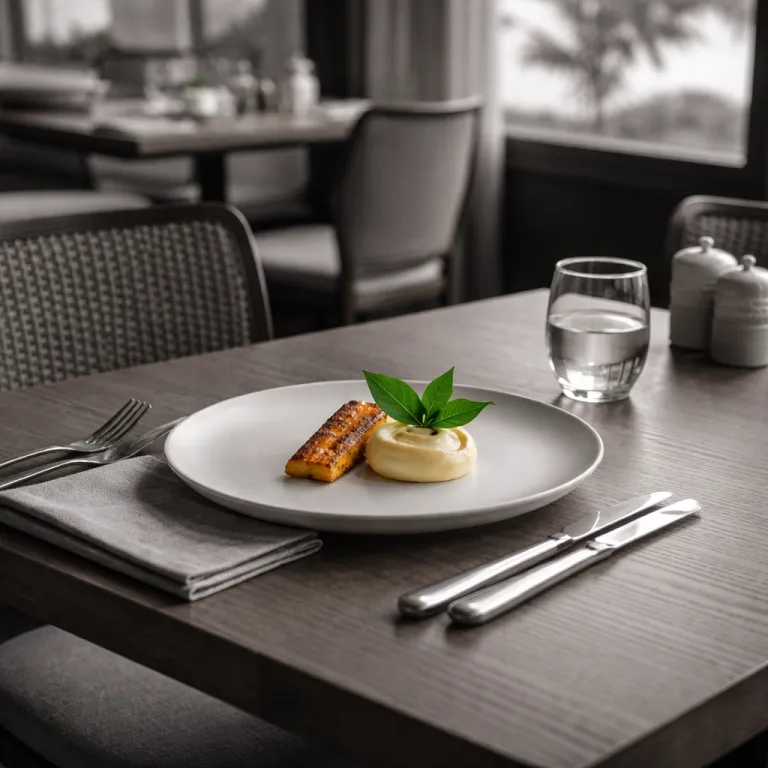
Quiet luxury is the guiding aesthetic. Plates arrive with restrained garnishes, sauces are glossy but never showy, and the overall food experience feels more like a conversation than a performance, which suits couples seeking intimacy rather than spectacle. In this context, Afro fusion means something specific and respectful, where African food elements from across West Africa might appear, yet the center of gravity remains firmly in Ghana.
Comparisons with Lagos or Dakar can be misleading. Those cities have their own high-energy, camera-ready restaurant cultures, while Accra’s best Ghanaian fine dining chefs work at a different pace, focusing on consistency, sourcing and the slow building of trust with regular guests, and this difference in cultural register helps explain why some international rankings still overlook Ghana. For travelers, this is an advantage; you can often secure a table at many of these restaurants with a timely reservation rather than a months-long wait, especially outside peak holiday periods at the end of the year.
Public and private initiatives are beginning to recognize the value of this culinary movement. Recent policy documents and tourism strategies in Ghana have started to highlight gastronomy alongside music and fashion, and national Heritage Month programming increasingly uses food events and culinary showcases to give structured visibility to jollof, waakye and fufu as pillars of Ghanaian cuisine. As these initiatives mature over the next few years, expect more hotel restaurants to collaborate with leading chefs and to position their kitchens as cultural stages rather than mere service departments.
How luxury travelers should book to taste Accra’s new Ghanaian cuisine
For a couple planning a romantic stay, the smartest move is to build your hotel search around food first. Start by shortlisting properties in the city that either host respected Ghanaian fine dining chefs in-house or maintain strong partnerships with independent restaurants such as Midunu, Alora or Chez Amis, because this is where your overall experience will feel most coherent. Then use guest narratives, such as those shared in the guest stories and experiences section of our platform, to cross-check whether the promise of good food actually matches lived reality.
On a four-night itinerary, you can test the thesis that Accra is leading African fine dining right now. Reserve one evening at a tasting menu focused restaurant where an experience chef like Selassie Atadika guides you through contemporary Ghanaian plates, another at a hotel restaurant where the head chef is experimenting with Afro fusion, and a third with a private chef such as Kwame Amfo-Akonnor cooking in your suite or a secluded rooftop. Use the remaining night for a more relaxed restaurant that still treats Ghanaian recipes with care, perhaps one that references the historic Gold Coast in its design and sourcing.
Budget wise, industry commentary from local restaurant guides and tourism reports suggests that the average cost of a fine dining meal in Accra sits at a level that is competitive with other West African capitals and allows room to invest in wine pairings or a special event menu. Remember that many of these chefs were born and raised in Ghana, some holding a bachelor degree in hospitality or culinary management, and their work supports local farmers, fishers and artisans across West Africa. When you meet the chef after service, you are engaging with a cultural custodian as much as a technician.
There are still gaps. Sommelier culture is emerging but not yet widespread, written menus can be sparse in some venues, and the city lacks a strong mid-tier of tasting menus between casual dining and the top tier, which can limit options for spontaneous nights out. Yet these are growing pains rather than structural flaws, and the overall direction is clear; Accra’s Ghanaian fine dining professionals are building a scene defined by quiet confidence, deep roots and a refusal to dilute Ghanaian cuisine for anyone.
For travelers who care about where their money goes, this matters. Choosing hotels and restaurants that prioritize Ghanaian food, from jollof rice reinterpretations to carefully sourced African food staples, means your stay contributes to a sustainable culinary ecosystem that stretches from coastal Ghana fishing communities to inland farms. In a hospitality landscape where quiet luxury and cultural authenticity now lead global trends, Accra is not just keeping up; it is setting the pace for how a West African city can feed the world on its own terms.
Key figures shaping Accra’s fine dining landscape
- Local tourism officials and hospitality consultants note that Accra now hosts a concentrated cluster of fine dining restaurants, giving the city one of the most developed high-end culinary scenes in West Africa.
- Accra-based food writers and culinary magazines describe the city as a relatively accessible entry point into African fine dining, with pricing that compares favorably to major cities in South Africa or Europe.
- Recent statements from the Ghana Ministry of Tourism, Arts and Culture highlight culinary projects and chef-led restaurants as strategic assets for tourism, cultural diplomacy and soft power.
- National Heritage Month events and culinary showcases increasingly use dishes such as jollof rice, waakye and fufu as ambassadors for Ghanaian cuisine, reinforcing their status as symbols of the country’s food identity.
- Fine dining experiences led by Ghanaian chefs such as Selassie Atadika at Midunu, Mahmoud Ali at Alora and the team at Chez Amis are increasingly partnering with local farmers and suppliers, strengthening short supply chains and embedding sustainability into Accra’s restaurant culture.
References
- Ghana Tourism Authority
- Accra Culinary Magazine
- Ghana Ministry of Tourism, Arts and Culture