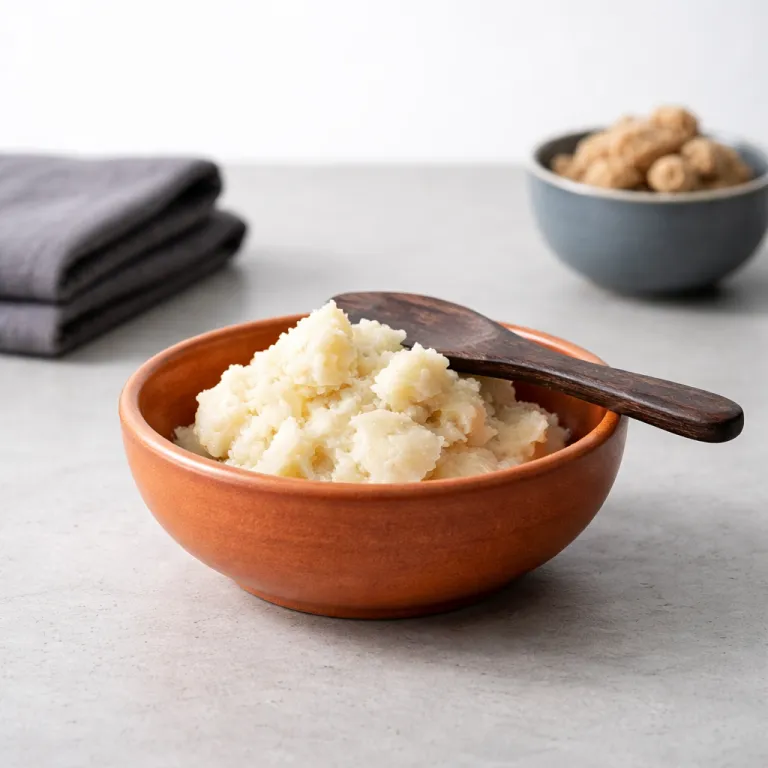
Why Ghanaian spa rituals matter for couples planning a luxury stay
Ghanaian spa rituals sit at the crossroads of heritage, careful technique and sensual pleasure. For couples planning a premium stay, understanding how traditional Ghana spa rituals built around shea butter work helps you separate meaningful, locally grounded experiences from generic hotel pampering. A well curated spa session can quietly reset your skin, your sleep and the way you move together.
Across Ghana, therapists draw on long standing African shea traditions to work on both skin and hair, blending raw, minimally processed ingredients with modern methods in a way that feels grounded rather than themed. In Accra alone, the Ghana Tourism Authority has reported steady growth in day spas and wellness centres over the past decade, and many now position shea butter and other natural products as signature elements in their massage menus. That growth opens a window onto a wellness scene where some properties honour local practice while others import a Balinese script and simply translate the treatment names into Twi.
For couples using a luxury hotel booking website focused on Ghana, the challenge is not finding a spa, but choosing one where shea based therapies are more than a marketing line. Look for language about raw or unrefined shea, for mention of concerns such as very dry or reactive skin, and for therapists trained to apply shea with slow, attentive strokes. When a property can explain the benefits of African shea for dryness, stretch marks and stressed muscles without resorting to vague wellness clichés, you are usually in safe hands.
A short taxonomy of real Ghanaian spa rituals
Most serious spas in Ghana now work with four broad ritual families that matter for couples booking premium stays. First come the shea based body treatments, where pure shea or carefully blended shea butter is warmed and used for full body massage that targets dry skin, stretch marks and tension. Then you have palm oil scalp rituals and herbal infusions, which focus on the head, face and hair using natural oils and steam.
In the shea category, look for menus that specify African shea from northern Ghana, ideally described as raw or unrefined rather than perfumed lotion. Therapists at reputable urban spas in Accra often combine shea butter with slow touch techniques that feel almost meditative, especially when they apply it in long, continuous strokes along the spine. These shea centred sessions are not about deep tissue pain, but about coaxing the nervous system into a calmer state while the skin barrier is nourished.
Herbal steam and slow touch therapies form the quieter side of the taxonomy, and they suit couples who want to emerge clear headed rather than drowsy. In many high end Accra spas you may find African plant based steams with ginger and lemongrass, followed by a light massage using natural butter blends that respect sensitive skin. Before you book through a luxury spa guide to Accra, such as an elegant overview of the leading spa resorts in the city on a refined guide to the top luxury spa resorts in Accra, check whether the spa explains how each ritual links back to Ghanaian practice rather than to imported Asian templates.
Shea, kpokpoi and the slow-touch therapies worth your time
Shea is the backbone of many Ghanaian spa experiences, but not every treatment using the word delivers the same depth. In the north of Ghana, women in cooperatives and family groups have long processed shea butter by hand, creating a dense, nutty paste that melts slowly into the skin and hair when warmed. When that same butter from Ghana reaches a luxury spa in Accra or Cape Coast, its benefits depend entirely on how it is handled.
Look for rituals where therapists warm pure shea or shea butter gently, never to the point of being hot or cold against the body, and then apply it in deliberate, unhurried passes that echo traditional slow touch. A good therapist will adjust pressure for sensitive areas, work more firmly over dry skin on the legs, and pay particular attention to zones where stretch marks or irritation tend to flare. At respected wellness retreats such as Holy Trinity Spa and Health Farm in Sogakope, for example, couples can book body renewal sessions where shea butter is layered after a scrub, allowing the moisturising properties of African shea to comfort the skin while the massage eases muscular fatigue.
Kpokpoi, a traditional dish made from steamed corn and associated with the Homowo festival, is sometimes adapted in spa settings as a gentle, grain based exfoliant that echoes its texture rather than using the food itself. When combined with ginger or lemongrass infusions, these cornmeal style scrubs prepare the skin and scalp so that raw or unrefined shea butter can be absorbed more effectively. For a countrywide perspective on where these rituals sit within the broader hospitality scene, couples can consult an elegant journey through the best spa hotels in Ghana on a curated guide to the best spa hotels in Ghana, then cross check which properties emphasise local ingredients over imported spa theatrics.
How to structure a 90-minute, half-day or weekend spa program
Once you have chosen a property where Ghanaian shea treatments feel authentic, the next step is sequencing. For a 90 minute slot, couples should start with a short kpokpoi inspired or salt based exfoliation to remove surface dryness, then move into a full body massage using warm shea butter or shea rich blends. Finish with a focused butter based face ritual that uses lighter, non comedogenic shea around the face and neck, especially if one partner has sensitive or reactive skin.
A half day program allows more room to play with temperature, texture and rhythm without overwhelming the body. Begin with a herbal steam or hammam style cleanse at a place like SHIIDA MediSpa in Accra, where traditional techniques meet modern ventilation standards, then shift into a slow touch African shea massage that targets both skin and hair with carefully chosen product. After a light break and hydration, end with a scalp focused ritual using palm oil and other natural oils, which can help ease dryness on the scalp and support hair health without leaving a greasy finish.
For a weekend anchored around wellness, couples might book one longer session on arrival day, then a shorter tune up before departure. Day one could combine a shea butter body treatment with a museum or shea themed workshop visit, especially if you are curious about how northern Ghana cooperatives work and how raw or unrefined shea is produced. On the second day, opt for a gentler massage that focuses on soothing tired legs and backs, leaving enough time to enjoy a refined Ghanaian dinner, perhaps guided by a piece such as a Ghanaian fine dining guide that pairs well with spa centric stays.
What to ask before booking, and which products travel well
Due diligence matters when you are paying premium rates for shea based spa experiences in a hotel or urban wellness centre. Before confirming a treatment, ask where the African shea or shea butter used in the ritual comes from, and whether it is raw, unrefined or heavily perfumed and diluted. A serious spa should be able to name its suppliers, explain how it stores natural butter products away from heat, and describe how therapists adapt treatments for sensitive guests or those with a history of skin reactivity.
Ingredient origin is only one part of the equation; therapist training and room design matter just as much. Ask whether staff have specific instruction in slow touch massage, in working with dry skin or stretch marks, and in using richer oils safely on the face and body. Ventilation is crucial for herbal steams and hammam inspired rooms, so do not hesitate to ask how the spa manages humidity, temperature and air flow to avoid that heavy, cold then hot cycle that can leave you light headed.
When it comes to take home products, focus on simple, clearly labelled jars of pure shea or shea butter rather than complex blends that may not travel well. A good body or face butter should list shea high on the ingredient list, feel rich but not waxy, and melt easily when you apply it to slightly damp skin or hair after a shower. Many couples also like to bring back a small piece of Ghana by visiting a shea cooperative or educational centre, where the process from nut to butter opens a window onto the labour, skill and community behind every jar.
Male focused treatments and the role of hamamat style spaces
Men are often an afterthought in spa menus, yet Ghana offers quiet opportunities for male focused wellness within the broader shea based spa landscape. Many luxury properties still default to a single generic massage for men, while women receive more nuanced options for face, skin and hair. Couples who want a balanced experience should look for spas that speak directly to male concerns such as tight shoulders, dry skin on the shins or razor irritation on the neck.
Spaces inspired by the hamamat aesthetic, where African heritage, natural materials and slow rituals shape the environment, can be particularly appealing for men who dislike overly perfumed or clinical spas. In such settings, therapists may use raw, unrefined African shea to work on areas prone to stretch marks or sports related strain, combining grounding strokes with a focus on comfort rather than showy technique. When they apply shea in this way, the butter acts as both lubricant and treatment, helping to soothe micro abrasions and support fragile areas without fuss.
For couples, booking parallel treatments that respect different needs can be more intimate than sharing a single generic massage room. One partner might opt for a shea enriched face and scalp ritual that targets sensitive areas, while the other chooses a deeper body massage focused on back and legs using Ghana sourced shea butter. Across Ghana, spa operators commonly explain that kpokpoi inspired scrubs are valued for their exfoliating properties, that shea butter is applied during massages and skin treatments for its moisturising benefits, and that slow touch therapies involve gentle, deliberate movements to promote relaxation and a sense of healing. The best of them translate these principles into treatments that feel quietly luxurious rather than performative.
FAQ
How are ghana spa rituals shea treatments different from standard hotel massages ?
Ghanaian shea based rituals focus on slow touch, ingredient provenance and skin comfort rather than just muscle pressure. Therapists use African shea, often in raw or unrefined form, to address dryness, stretch marks and general sensitivity while they work. The result is a massage that feels both culturally rooted and functionally restorative.
Can people with eczema or psoriasis safely book shea butter treatments in Ghana ?
Many spas in Ghana now design protocols for guests with eczema, psoriasis or other related issues, especially in luxury properties. You should always inform the therapist in advance, ask whether the shea butter is pure and free from added fragrance, and request a patch test on a small area of skin. For specific medical advice or treatment of these conditions, consult a dermatologist before your trip and follow their guidance on which products and temperatures are appropriate.
What should couples ask a spa before confirming a booking ?
Before you book, ask about the origin of the shea butter or other natural products, the training of therapists in slow touch techniques, and how the spa manages ventilation in steam or hammam rooms. Clarify whether they can adapt treatments for sensitive guests or those with very dry skin or stretch marks. Finally, confirm the exact duration and price of each ritual so your 90 minute or half day program flows smoothly and stays within budget.
Which Ghanaian spa products are worth taking home after a trip ?
The most reliable souvenirs are simple jars of pure shea or minimally processed shea butter from reputable cooperatives or spa boutiques. Look for labels that mention raw or unrefined shea, a short ingredient list and clear storage advice to avoid the butter turning grainy in cold or hot conditions. These products work well for both skin and hair, extending the benefits of your Ghanaian spa experience long after you leave.
Are kpokpoi based treatments suitable for sensitive or very dry skin ?
Kpokpoi inspired scrubs can be quite exfoliating, so they may feel intense on very dry skin or delicate areas. If you are concerned, ask the therapist to use a finer grain or to limit the scrub to tougher zones such as legs and back, then follow with a generous layer of shea butter. When combined with a soothing shea massage, kpokpoi style exfoliation can still be part of a gentle, well balanced ritual, but anyone with a diagnosed skin condition should seek personalised advice from a medical professional.